Compare Local Contractors for Tree Pruning Services Effectively
Compare local contractors for tree pruning to define project scope, verify experience, and set clear expectations for a safe, professional job.
Tree pruning services typically cover a range of tasks aimed at maintaining the health, safety, and appearance of trees on residential or commercial properties. This work often includes trimming branches to remove dead or diseased wood, shaping trees for aesthetic purposes, and reducing the risk of limbs falling during storms. Proper pruning can also promote better growth and airflow within the canopy, helping trees stay vigorous and resilient over time. Understanding the scope of these services can help property owners communicate their needs clearly when engaging with local contractors.
Defining the scope of tree pruning work is essential to ensure that both property owners and service providers have aligned expectations. A well-detailed scope might specify which trees or branches require attention, the desired outcomes-such as thinning, shaping, or hazard removal-and any restrictions or preferences regarding the work. Clear documentation helps prevent misunderstandings and provides a basis for evaluating whether a contractor’s approach matches the project’s requirements. It also supports accountability and ensures that the work performed aligns with the property owner’s goals.
When comparing local contractors for tree pruning, property owners should consider several factors to make informed decisions. Verifying experience and expertise in handling different types of trees and pruning techniques can be valuable. Reviewing the scope of work each contractor proposes, along with their methods and equipment, can help identify the most suitable service provider. Additionally, gathering information about their reputation within the community, such as references or local reviews, can offer insights into their reliability and professionalism. By focusing on these practical aspects, property owners can select contractors who are capable of delivering quality work tailored to their specific needs.
Compare local contractors by outlining your priorities, verifying experience, and clearly defining project expectations in writing.
- Compare Contractor Experience - review the backgrounds and project history of local service providers to ensure they have relevant tree pruning expertise.
- Define Project Scope - clearly outline the pruning needs and expectations to align with the capabilities of potential contractors.
- Verify Service Details - confirm the scope of work, methods, and materials in writing before engaging a contractor.
- Assess Qualifications - evaluate the credentials and references of local contractors to ensure they meet your project requirements.
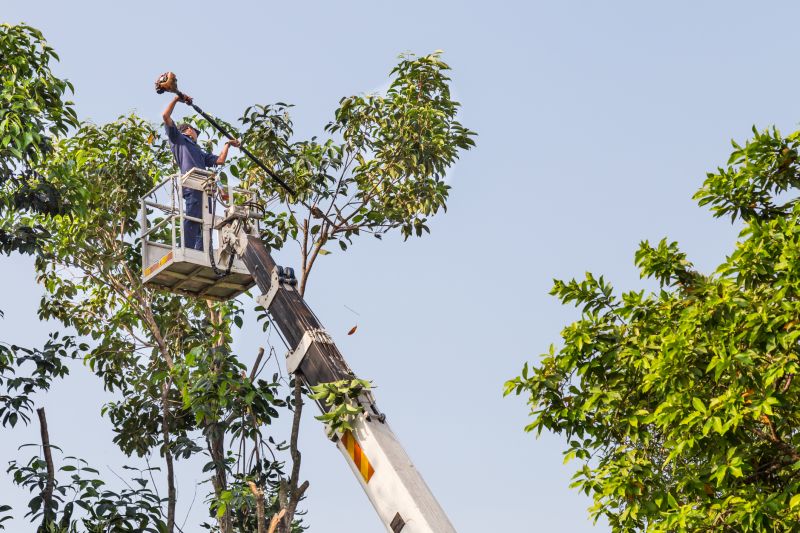
Compare local contractors by clearly describing your tree pruning project, defining scope, verifying experience, and setting expectations in writing.
- Verify the experience and reputation of local contractors specializing in tree pruning. - Look for service providers with a proven track record of safe and effective pruning practices.
- Define the scope of work clearly in writing before hiring a contractor. - Ensure the details of pruning, including target branches and overall tree health, are specified.
- Check that the contractor understands proper pruning techniques to promote tree health and safety. - Confirm they follow industry standards for pruning cuts and techniques.
- Compare different local contractors to evaluate their approach and scope of services. - Look for transparency in the methods and extent of pruning offered.
- Request references or reviews to assess the quality and reliability of the service providers. - Use feedback from previous clients to gauge their experience and satisfaction.
- Ensure all work expectations and responsibilities are documented in a written agreement. - Clarify the responsibilities for cleanup, disposal, and follow-up care.
Use this to compare local contractors, clarify project scope, verify experience, and set clear expectations in writing.
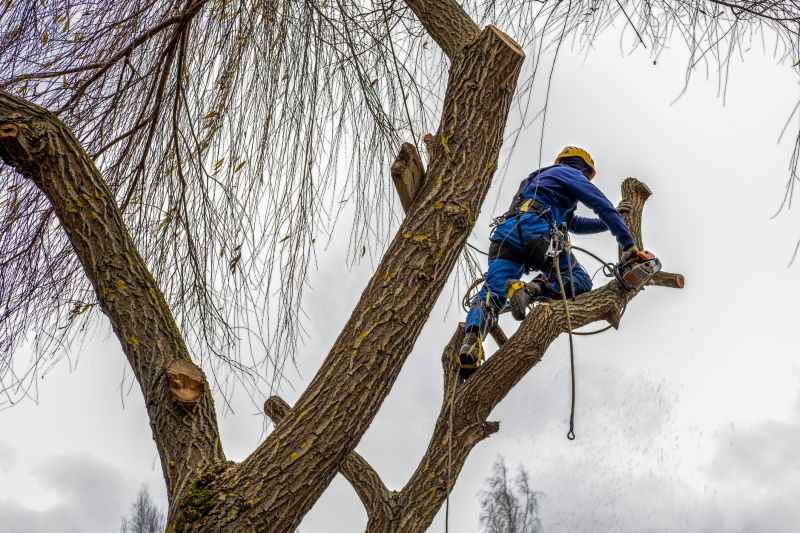
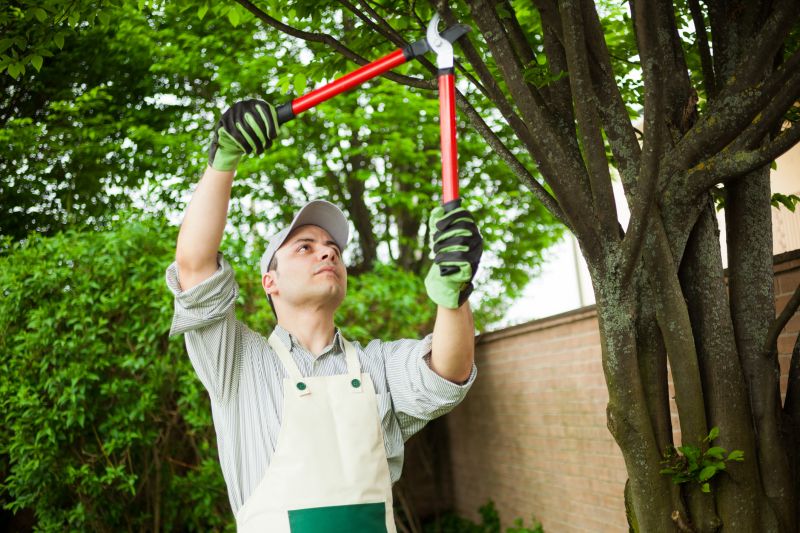
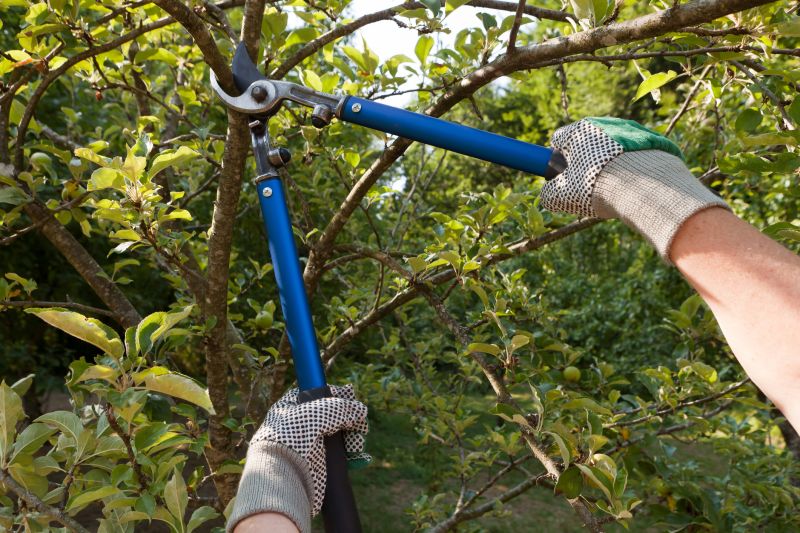
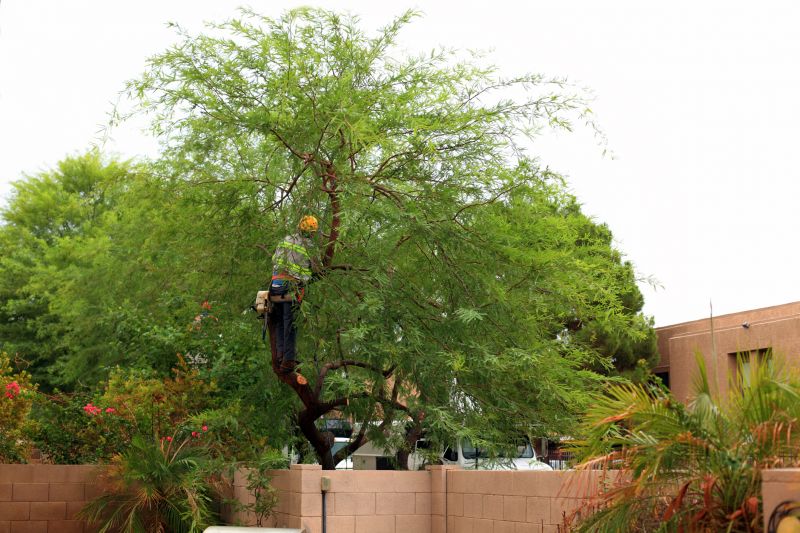
Learn how to compare contractors, define pruning scope, verify experience, and set clear expectations in writing.
- Define the scope of pruning services by clearly outlining which trees or branches require trimming and the desired outcomes.
- Verify the experience of local contractors in performing tree pruning to ensure they have relevant expertise for the specific job.
- Establish project expectations in writing by detailing the pruning techniques, extent of work, and any specific guidelines or limitations.
- Compare service providers based on their scope, experience, and approach to select the most suitable contractor for the pruning needs.
- Ensure all work details are documented to facilitate clear communication and accountability throughout the project.
When comparing contractors for tree pruning, it is important to consider their experience with similar projects. Look for service providers who have a proven track record of handling tree pruning tasks comparable in size, tree species, and complexity to the work needed on the property. Experienced contractors are more likely to understand the nuances of proper pruning techniques, which can help ensure the health and safety of the trees while maintaining the aesthetic goals of the landscape.
A clear, written scope of work is essential when evaluating potential contractors. This document should outline the specific tasks to be performed, including the extent of pruning, target areas, and any additional services included. Having a detailed scope helps prevent misunderstandings and ensures that both parties have aligned expectations. It also provides a basis for comparing different service providers based on the comprehensiveness and clarity of their proposals.
Verification of a contractor’s background involves checking references and confirming their experience with similar projects. Request references from previous clients who had comparable work done and inquire about their satisfaction with the results. Additionally, verify that the contractor has appropriate insurance coverage and adheres to safety standards. While licensing and certification are not the focus here, ensuring that a contractor maintains good standing and a solid reputation can help identify reliable service providers.
Evaluating options without focusing on prices involves assessing the quality of their proposals and the professionalism of their communication. Consider how well each contractor explains their approach, provides a detailed scope, and answers questions thoroughly. Comparing their experience, scope of work, and verification information can help identify service providers who are capable of delivering quality results. This approach ensures that the selection process emphasizes expertise and clarity, leading to a more informed decision when choosing local contractors for tree pruning.
Ask contractors to provide written scope details to ensure clarity and consistency before starting the work.
- Scope of Work - What specific pruning tasks will the contractor perform and what areas will they cover?
- Experience and Expertise - How long has the contractor been providing tree pruning services and what types of trees have they worked on?
- Comparison of Services - How do different contractors’ pruning methods and approaches vary for similar tree types?
- Written Agreement - What details are included in the scope of work and expectations in the service agreement?
- Qualifications and References - Can the contractor provide examples of past projects and references to verify their experience?
How can I compare tree pruning contractors effectively? To compare local contractors, review their experience, verify their scope of work, and ensure all project details are documented in writing for clarity and accountability.
What should I consider when defining the scope of tree pruning services? Clearly outline which trees or branches need pruning, the desired outcome, and any specific techniques or tools to be used, then communicate these details with potential contractors.
How can I verify a contractor’s experience with tree pruning? Ask for references, review past projects, and check if the contractor has handled similar trees or pruning needs to ensure they have relevant experience.
Why is it important to have project details in writing? Having the scope, expectations, and responsibilities documented helps prevent misunderstandings and provides a reference if issues arise during the project.
What questions should I ask a contractor before hiring for tree pruning? Inquire about their experience, methods used, scope of work, and how they handle safety and cleanup to ensure they meet your project needs.
How can I ensure the scope of work is clearly understood by the contractor? Discuss and document all details, including specific trees, pruning techniques, and any special considerations, and request written confirmation before work begins.
By exploring the information provided, visitors can gain a clearer understanding of how to evaluate tree pruning contractors. Learning to define the scope of work, verify experience, and set clear expectations in writing helps ensure the selection process is straightforward and informed. Using the quote form allows for easy comparison of local contractors, making it simple to connect with service providers suited to specific needs.
Utilizing the quote form is an effective way to explore options and gather details on available local contractors for tree pruning services. This approach supports making well-informed decisions by comparing different providers based on scope and experience, helping to identify the best match for individual requirements.