Compare Local Contractors for Safe Tree Limb Removal Services
Compare local contractors for tree limb removal to define project scope, verify experience, and establish clear expectations for a safe, effective job.
Tree limb removal is a specialized service that involves trimming or cutting away overgrown, damaged, or hazardous branches from trees on residential or commercial properties. This work typically covers identifying problematic limbs that pose safety risks, removing dead or diseased branches to promote tree health, and clearing away fallen or broken limbs to prevent damage to structures or landscapes. Properly executed limb removal can help maintain the overall appearance and safety of a property, but it requires careful planning and execution to avoid unintended harm to the tree or surrounding property.
Defining the scope of a tree limb removal project is essential to ensure the work meets specific needs and expectations. Property owners should consider factors such as which branches need removal, the height and accessibility of the limbs, and any potential impact on the tree’s health or appearance. Clearly outlining these details in a written scope can help prevent misunderstandings and ensure that service providers understand the extent of the work. Having a well-defined scope also makes it easier to compare different local contractors based on their experience, approach, and ability to meet the project’s requirements.
When evaluating local contractors for tree limb removal, property owners should focus on experience and expertise relevant to the specific work needed. It’s practical to review each provider’s background, ask about their familiarity with similar projects, and verify that they follow safety and industry standards. Comparing how contractors approach scope definition, communication, and project planning can help determine which service providers are best suited for the job. Gathering information about their methods and confirming that expectations are documented in writing can contribute to a smoother process and a successful outcome.
Compare local contractors by outlining your priorities, verifying experience, and setting clear scope expectations in writing.
- Compare Contractor Experience - Review the backgrounds of local contractors to ensure they have relevant experience in tree limb removal.
- Define Service Scope - Clearly outline the extent of work needed to set accurate expectations with service providers.
- Verify Credentials and References - Check references and verify the reputation of local contractors before making a selection.
- Get Written Agreements - Ensure all project details, including scope and responsibilities, are documented in a formal agreement.
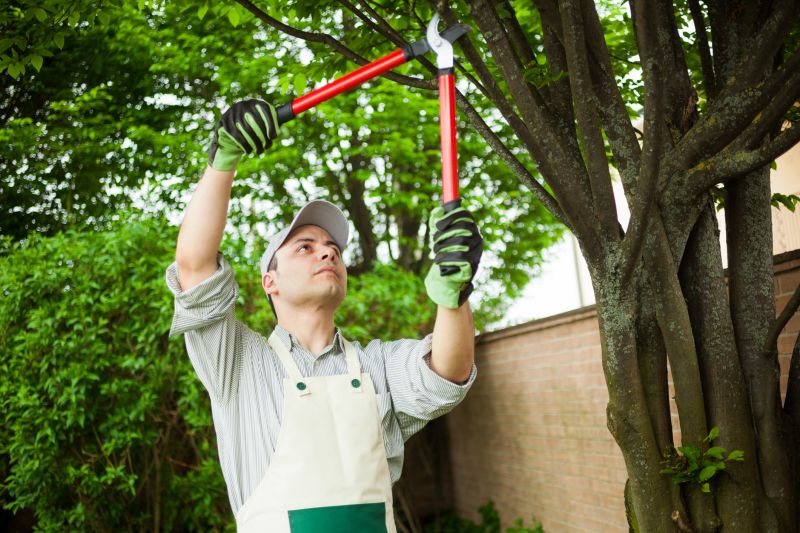
Before comparing local contractors for tree limbs removal, clearly describe your project scope and set expectations in writing.
- Assess the contractor’s experience with tree limb removal to ensure familiarity with different tree types and sizes. - Verify that the scope of work is clearly defined and documented in the service agreement.
- Check that contractors evaluate the tree’s condition and identify potential hazards before beginning removal. - Ensure that the contractor follows proper procedures for safely removing large or unstable limbs.
- Review the contractor’s plan for protecting surrounding property and landscaping during the removal process. - Confirm that all work expectations are outlined in writing to prevent misunderstandings.
- Compare multiple local contractors to evaluate their methods and approach to limb removal projects. - Look for providers who prioritize safety and adherence to industry best practices.
- Ask about the contractor’s experience with clean-up and disposal of removed limbs to ensure comprehensive service. - Make sure the scope includes debris removal and site restoration if needed.
Use this to compare local contractors, clarify scope, verify experience, and set clear expectations.
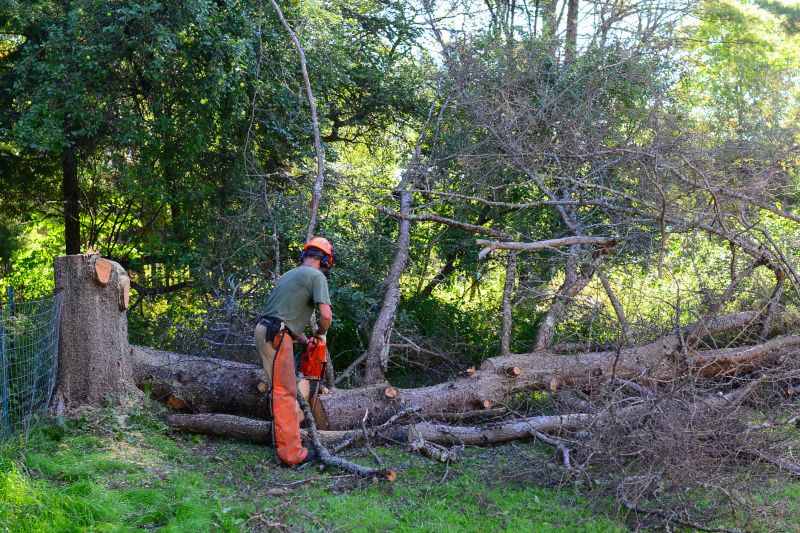
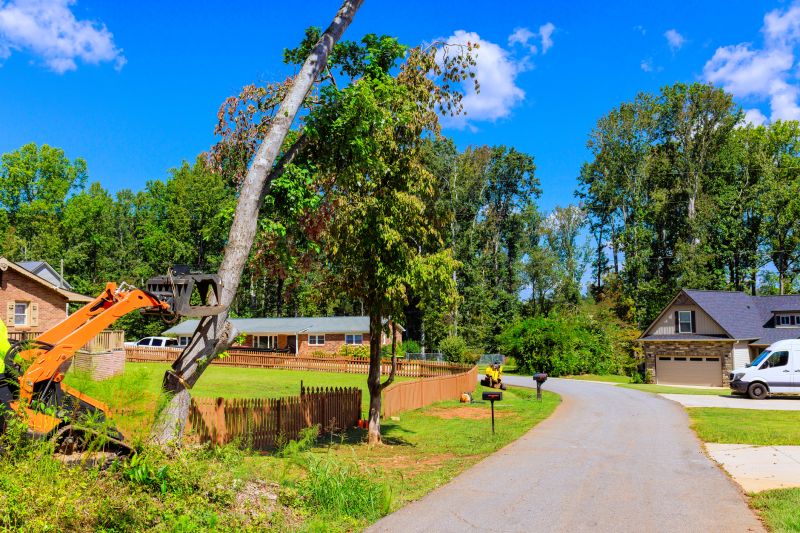
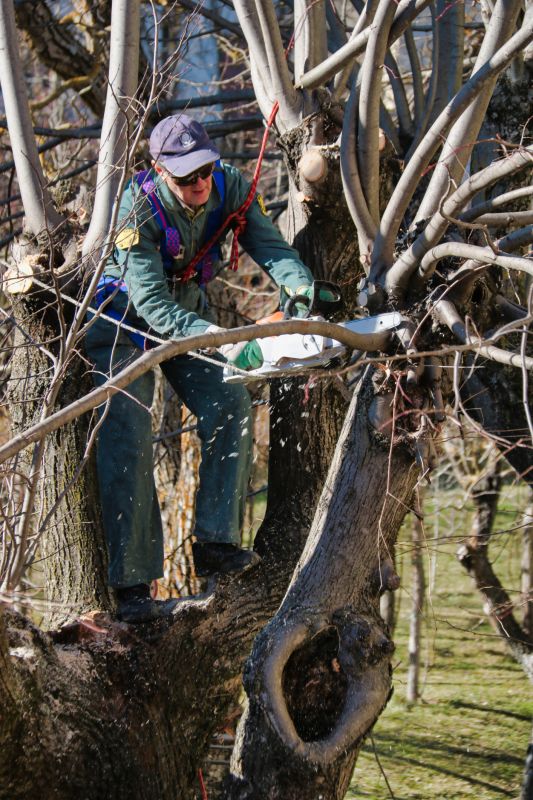
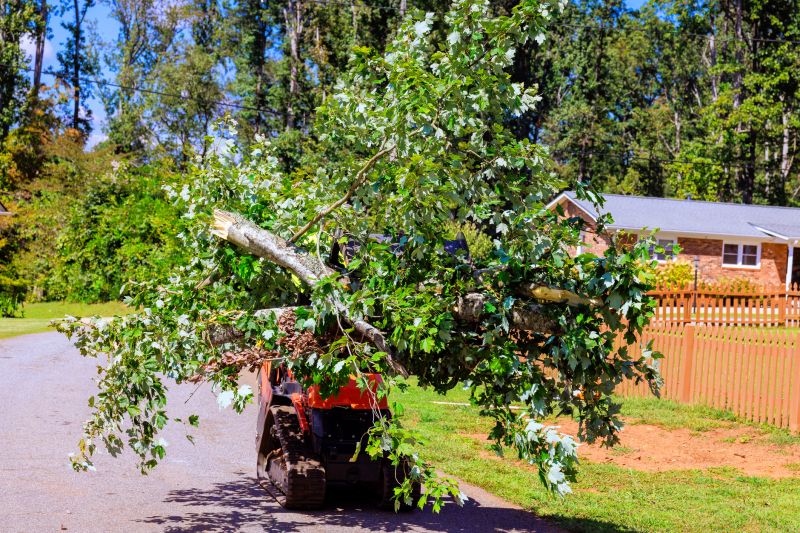
This section guides comparing local contractors for tree limb removal by defining scope, verifying experience, and setting clear expectations.
- Scope Definition - Clearly specify which tree limbs are to be removed and the extent of the work needed.
- Experience and Expertise - Verify that local contractors have relevant experience with tree limb removal in similar environments.
- Equipment and Methods - Confirm that service providers use appropriate tools and techniques for safe and effective limb removal.
- Worksite Access and Conditions - Identify any site-specific considerations, such as access restrictions or safety hazards, that may affect the job.
- Written Agreement - Ensure all scope details, expectations, and responsibilities are documented in a clear, written agreement.
When evaluating contractors for tree limb removal, it is important to consider their experience with similar projects. Homeowners should seek service providers who have a proven track record handling tree limb removal in environments comparable to their own. Asking about the types of trees worked on, the complexity of past projects, and the size of limbs they have managed can help gauge expertise. Contractors with relevant experience are more likely to understand the nuances of safely and effectively removing limbs without causing damage to the surrounding landscape or property.
A clear, written scope of work is essential for setting expectations and ensuring all project details are understood upfront. Homeowners should work with service providers who can provide a detailed description of the work to be performed, including the number and location of limbs to be removed, safety precautions, and cleanup procedures. Having this scope in writing helps prevent misunderstandings and provides a reference point throughout the project. It also allows homeowners to compare different contractors based on the thoroughness and clarity of their proposals.
Verification basics are key when choosing a tree limb removal contractor. Homeowners should verify that the service providers have appropriate insurance coverage and understand safety protocols, even if licensing and certification are not part of the evaluation. Confirming insurance helps protect against liability in case of accidents or property damage. Additionally, asking for references or examples of completed projects can provide insight into the quality of work and reliability of the contractor. This step ensures that the chosen service provider has a history of delivering professional results.
Evaluating options without focusing on prices involves assessing the overall approach and professionalism of each contractor. Look for clear communication, responsiveness to questions, and thorough written proposals. Consider how well each service provider understands the scope of work and whether their recommendations align with the homeowner’s goals. Comparing these aspects can help identify which contractor is most prepared to handle the project efficiently and safely. Ultimately, selecting a trusted, experienced local contractor based on these criteria can lead to a successful tree limb removal experience.
Request written scope details from local contractors to ensure clear expectations and consistent tree limbs removal services.
- Scope of Work - What specific tree limb removal tasks are included and are there any services that should be clarified or excluded?
- Experience and Expertise - How do the contractors’ backgrounds and experience levels align with the complexity of limb removal projects?
- Insurance and Liability - What insurance coverage do the local contractors carry to protect against potential damages or accidents?
- Work Methods and Equipment - What techniques and tools do the service providers use to ensure safe and effective limb removal?
- Written Estimates and Agreements - How do contractors outline the scope and expectations in written agreements to prevent misunderstandings?
How can I compare contractors for tree limb removal? To compare local contractors, review their experience, services offered, and reputation through reviews or references. Ensure they provide clear descriptions of their scope of work to make informed decisions.
What should I consider when defining the scope of tree limb removal? Clearly identify which limbs need removal, the extent of work required, and any safety or property considerations. Communicating these details helps contractors provide accurate expectations.
How do I verify the experience of a tree limb removal service provider? Look for information about their previous projects, years of experience, and any relevant references or reviews. This helps ensure they have the skills needed for the job.
Why is it important to have the scope of work in writing? Having a detailed written scope clarifies what will be done, sets expectations, and helps prevent misunderstandings between you and the contractor.
What questions should I ask contractors before hiring for tree limb removal? Ask about their experience with similar projects, the methods they use, and how they handle safety or property concerns to ensure they meet your needs.
How can I ensure a contractor understands my specific needs? Provide detailed descriptions of the limbs to be removed and any concerns, and confirm that the scope of work is documented clearly before work begins.
By reviewing the information provided, visitors can better understand the importance of clearly defining the scope of tree limb removal projects, verifying the experience of service providers, and setting expectations in writing. This approach helps ensure that the job is handled according to individual needs and preferences, making it easier to compare different local contractors. Utilizing the quote form allows for a straightforward way to explore options and connect with trusted service providers in the area.
Taking the time to compare local contractors for tree limb removal can lead to more informed decisions. By using the quote form, visitors can gather details, ask questions, and find service providers who align with their specific requirements. This process supports a transparent and efficient way to identify qualified professionals capable of managing the work effectively.