Get Tree Canopy Thinning in Cupertino, CA
Tree Canopy Thinning services for property owners in Cupertino, CA and nearby areas address overgrown branches, improve sunlight access, and enhance safety through professional pruning and thinning projects.
Tree canopy thinning services are often considered by property owners in Cupertino, CA to improve the overall health and longevity of their trees. By selectively reducing dense foliage, property owners can enhance airflow and light penetration, which helps prevent disease and decay. This maintenance work also promotes better growth patterns, ensuring trees remain sturdy and resilient over time, reducing the risk of falling branches or other safety concerns.
Beyond safety and health, canopy thinning can significantly boost curb appeal by creating a more balanced and aesthetically pleasing landscape. It allows for improved visibility of architectural features and landscaping elements, making outdoor spaces more inviting. Additionally, thinning can reduce the amount of debris and fallen leaves, which can lower ongoing maintenance needs and contribute to a more manageable, durable landscape that maintains its appearance longer.
- Tree canopy thinning services are needed when overgrown branches threaten power lines or obstruct visibility in urban areas. Local pros can assist with reducing excessive foliage to improve air circulation and sunlight penetration in residential neighborhoods. These services are often sought after for safety reasons following storm damage or to prevent potential hazards from dense canopies. In areas like Cupertino, CA, thinning is useful for maintaining healthy trees while managing space constraints in urban settings. Professionals can help ensure tree health and safety through strategic canopy reduction tailored to specific landscape needs.
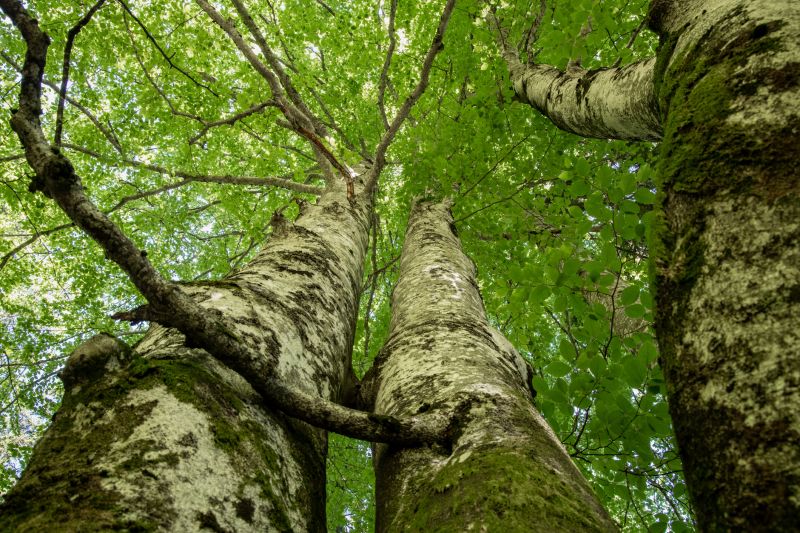
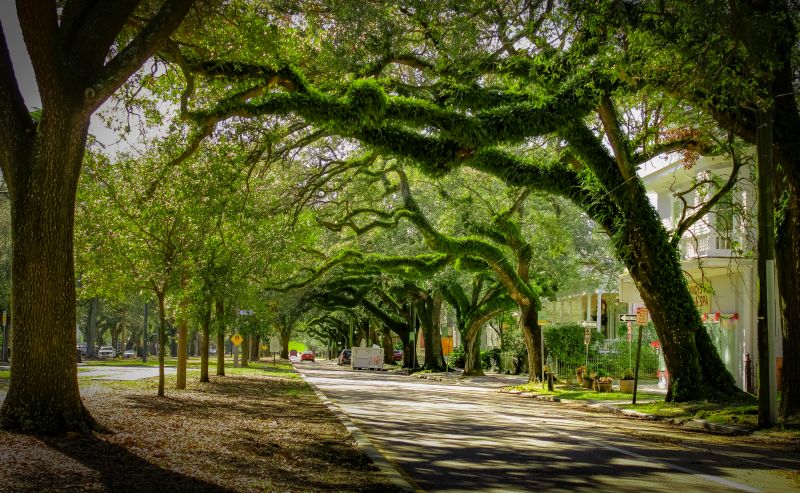
Tree canopy thinning services involve selectively removing branches or sections of a tree’s foliage to reduce overall density. This process is typically performed to improve the health of the tree, enhance its appearance, or address specific property concerns. Thinning can be done using various techniques, including crown thinning, crown reduction, or selective limb removal, all aimed at achieving a balanced and natural look while promoting the tree’s vitality. Professionals assess the specific needs of each tree to determine the appropriate amount of thinning, ensuring that the process supports the tree’s structural integrity and aesthetic appeal.
One of the primary reasons for tree canopy thinning is to mitigate potential hazards caused by overgrown or dense branches. Excessively thick canopies can lead to increased risk of branch failure, especially during storms or high winds. Thinning helps reduce the weight and wind resistance of the branches, decreasing the likelihood of falling limbs that could damage property or pose safety risks. Additionally, thinning can improve air circulation and sunlight penetration within the canopy, which benefits the overall health of the tree and surrounding landscape. This service can also be used to prevent interference with power lines, buildings, or other structures, making it a practical solution for maintaining safe and accessible properties.
Properties that typically utilize tree canopy thinning services include residential homes, commercial properties, and public spaces. In residential neighborhoods, thinning can help prevent overhanging branches from obstructing views, damaging roofs, or interfering with utility lines. Commercial properties often use this service to maintain an attractive landscape while ensuring safety and compliance with local regulations. Public parks, schools, and municipal spaces also benefit from canopy thinning to promote healthy tree growth, reduce hazards, and improve the safety of pedestrian and vehicle areas. Overall, any property with mature or overgrown trees may consider canopy thinning as part of their landscape management.
Local service providers specializing in tree canopy thinning can assess individual trees and recommend appropriate treatments based on their size, species, and condition. These professionals are equipped to handle the careful removal of branches to achieve the desired results without compromising the tree’s health or stability. Contacting experienced arborists or tree care specialists can help property owners ensure that thinning is performed safely and effectively. Whether for safety reasons, aesthetic improvements, or tree health, connecting with qualified local providers can support the proper maintenance of trees on residential, commercial, or public property.
The overview below groups typical Tree Canopy Thinning projects into broad ranges so you can see how smaller, mid-sized, and larger jobs often compare in Cupertino, CA.
In many markets, a large share of routine jobs stays in the lower and middle ranges, while only a smaller percentage of projects moves into the highest bands when the work is more complex or site conditions are harder than average.
Per-Tree Thinning - The cost typically ranges from $50 to $150 per tree, depending on size and complexity. Larger or more difficult trees may cost more to thin properly. Local pros can provide estimates based on specific tree conditions.
Property-Wide Thinning - For an entire property, costs generally fall between $500 and $2,500. This includes assessing multiple trees and performing selective thinning to improve canopy health and appearance.
Tree Assessment and Planning - Initial evaluations usually cost between $100 and $300. These assessments help determine the scope of thinning needed and provide a basis for detailed service estimates.
Maintenance and Follow-Up - Ongoing thinning services or follow-up visits can range from $200 to $800 annually. Regular maintenance helps sustain canopy health and manage growth over time.
Actual totals will depend on details like access to the work area, the scope of the project, and the materials selected, so use these as general starting points rather than exact figures.
Tree Canopy Thinning services involve selectively reducing branches and foliage to improve tree health and structure. Local service providers can assess and perform thinning to promote better airflow and sunlight penetration.
Urban Tree Management projects often include canopy thinning to prevent overgrowth in city environments and reduce risks associated with dense foliage. Professionals can tailor thinning to meet specific urban landscape needs.
Tree Health Optimization services can incorporate canopy thinning as a method to enhance overall tree vitality and reduce the likelihood of storm damage. Experts evaluate trees to determine appropriate thinning strategies.
Risk Reduction Services include canopy thinning to minimize potential hazards from falling branches or overextended limbs. Local arborists can provide thinning solutions to address safety concerns.
Landscape Enhancement projects may involve canopy thinning to improve the aesthetic appeal and functionality of outdoor spaces. Service providers can customize thinning to align with landscape design goals.
Storm Damage Prevention initiatives often utilize canopy thinning to decrease wind resistance and prevent storm-related tree failures. Professionals can implement thinning plans to support resilient urban trees.
When selecting a professional for Tree Canopy Thinning services, experience is a key factor to consider. It is beneficial to evaluate how long a local provider has been performing canopy thinning work and whether they have a track record of successful projects in the Cupertino area or nearby communities. Homeowners should seek out service providers who can demonstrate a history of handling similar tree types and landscape conditions, ensuring they possess the practical knowledge needed for effective and safe canopy management.
Clear and written expectations are essential when working with a tree care professional. Reputable local providers typically offer detailed service descriptions that outline what the canopy thinning process entails, including scope, techniques, and post-service care. Having these expectations documented helps prevent misunderstandings and ensures the homeowner and contractor are aligned on project goals. It is advisable to ask for written estimates or proposals that specify the work involved, so expectations are transparent from the outset.
Reputable references and effective communication are indicators of a trustworthy tree care service provider. Homeowners can inquire about previous clients or request references to verify the quality of work and professionalism. Good communication from the contractor includes responsiveness to questions, clarity in explanations, and willingness to discuss project details. This openness can help build confidence that the local pros are reliable, attentive, and capable of managing the canopy thinning process in a manner that meets the homeowner’s needs.
Property owners in Cupertino, CA use Tree Canopy Thinning services for practical projects around their homes and businesses. The sections below highlight everyday jobs and straightforward project options.
Tree canopy thinning services are often sought by property owners in Cupertino, CA who notice their trees becoming too dense or overgrown. Over time, thick canopies can block sunlight from reaching lawns and gardens, or cause branches to become weak and prone to falling. In such cases, thinning can improve air circulation, reduce the risk of storm damage, and help maintain the overall health of the trees. Local service providers can assess individual trees and perform selective pruning to achieve a balanced, healthy canopy.
Additionally, property owners may request canopy thinning to address safety concerns or comply with local regulations. Overgrown branches near power lines, driveways, or walkways can pose hazards or obstruct visibility. Thinning can also enhance the appearance of a property by creating a more open and tidy landscape. Experienced contractors in the area can work with property owners to carefully remove excess branches, ensuring the trees remain healthy while meeting safety and aesthetic goals.
What is tree canopy thinning? Tree canopy thinning involves selectively removing branches to reduce the density of a tree's foliage, improving sunlight penetration and airflow.
Why consider tree canopy thinning? Thinning can help reduce the risk of storm damage, improve tree health, and prevent overgrowth in urban or landscaped areas.
How do local service providers perform canopy thinning? Professionals assess the tree's structure and health, then carefully prune branches to achieve desired thinning while maintaining the tree's stability.
Is tree canopy thinning suitable for all types of trees? Not all trees benefit from thinning; a local expert can determine if thinning is appropriate based on the species and condition.
How can I find local tree canopy thinning services? Contact local arborists or tree care specialists who offer canopy thinning to discuss options and schedule assessments.
Tree Canopy Thinning Benefits - Thinning can improve sunlight penetration and air circulation within the canopy, promoting healthier growth. Local service providers can evaluate trees to determine appropriate thinning strategies.
Professional Tree Canopy Thinning - Experienced arborists can perform canopy thinning to reduce weight and minimize storm damage risks. Contact local experts for assessments and thinning services.
Tree Health and Maintenance - Thinning can help identify and address potential issues such as dead or diseased branches. Local pros can advise on the best approach for maintaining tree health.
Customized Canopy Thinning Plans - Service providers can develop tailored thinning plans based on tree species, size, and location. Reach out to local specialists to discuss your tree care needs.
Considering Tree Canopy Thinning for a property in Cupertino, CA? The sections above highlight common project types, practical options, and details that often shape the scope of work.
When you are ready, use the quote form to share a few details about your project. Local pros can review the basics and respond with options that match what you have in mind.